9 min read
Best Meta Description Length for Google
Understand what makes a strong meta description, how long it should be in practice, and how to write descriptions that improve relevance and clicks.
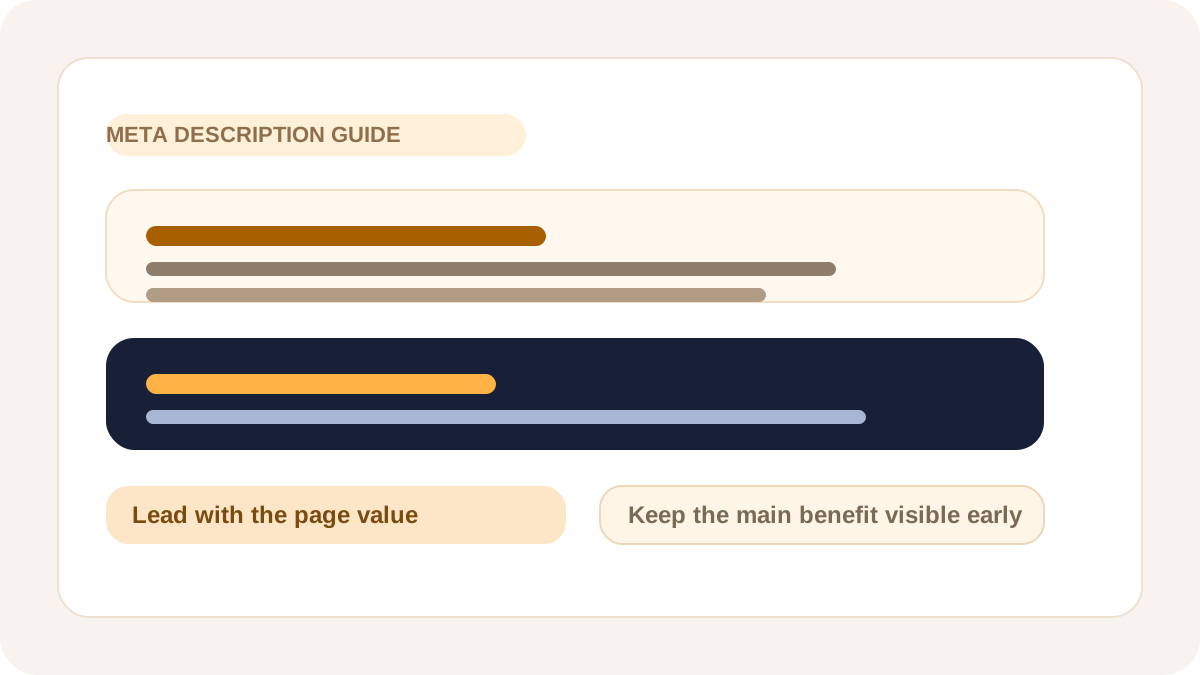
Table of contents
Jump straight to the section you want without scrolling through the whole article.
The real job of a meta description
Meta descriptions do not directly improve rankings in the same way a strong page topic or useful content can. Their main job is to explain the page well enough that the right user wants to click.
That makes them a conversion layer between the search result and the page itself. A weak description wastes the chance to reassure the user that your page solves the problem they searched for.
For tool sites, this matters a lot. Many visitors decide in seconds whether your page is a real solution or just another generic utility page. A strong description can make that decision easier.
There is no perfect universal character count
Google may show different snippet lengths depending on device, query, and page context. That is why chasing a single exact number is less useful than writing a strong summary that works even when trimmed.
A practical rule is to keep the key message early. If the snippet is shortened, users should still see the topic, the benefit, and the reason to click.
This is where many pages go wrong. They begin with vague marketing language and only reveal the useful part at the end. If the snippet cuts off, the user never sees the main value.
What to include in a good meta description
A useful meta description usually includes the page topic, the outcome, and a subtle prompt to act. It should sound like a short summary of the page, not an advertisement pasted from somewhere else.
For example, a page about an XML sitemap generator should quickly tell the user that they can generate a valid sitemap from their URLs. That is much stronger than saying Best free SEO tool online for all your needs.
The more closely the description matches the actual job of the page, the more trustworthy the result feels.
- State the main page task clearly.
- Mention the concrete output or benefit.
- Use natural wording that sounds readable in search results.
- Avoid clickbait or unsupported claims.
Description mistakes that make pages look low quality
Generic descriptions are one of the fastest ways to make a site look shallow. If many pages say almost the same thing, it suggests the content may also be repetitive.
Another issue is writing descriptions that do not match the actual page. If the snippet promises a broad SEO solution but the page is a narrow utility, users bounce because the expectation was wrong.
Duplicate descriptions across several pages are also a missed opportunity. Each important page deserves its own summary so users and search engines can tell them apart.
- Reusing the same description across multiple pages
- Stuffing the description with keyword variations
- Overpromising the page value
- Writing a slogan instead of a summary
A better way to write them
Start with a plain sentence describing what the page lets the user do. Then trim that sentence into a cleaner, tighter result preview. If the page solves a problem quickly, say so. If it produces a file, mention the file. If it helps review code or content, mention that exact task.
Next, compare the description to the title tag. The two should support each other, not repeat each other word for word. The title identifies the page. The description expands the value.
On FreeSEOTools.com, a practical workflow is to draft your title and description together, then check both in a meta tag generator and refine the copy with a character counter.
Frequently asked questions
Helpful answersDo meta descriptions affect rankings directly?
They are not treated as a direct ranking signal in the same way core page relevance is, but they can improve click-through rate by making the result more useful and appealing.
Should every page have a unique meta description?
Important pages should. Unique descriptions help distinguish pages and make the site look more intentional and useful in search results.
What if Google shows a different snippet than my meta description?
Google may generate a snippet from on-page content if it better matches the query. Your own description is still worth writing because it guides the default page summary.