11 min read
How to Clean AI-Generated Text Before Publishing
Learn how to edit AI-generated drafts so they sound clearer, more original, and more trustworthy before you publish them on a website or blog.
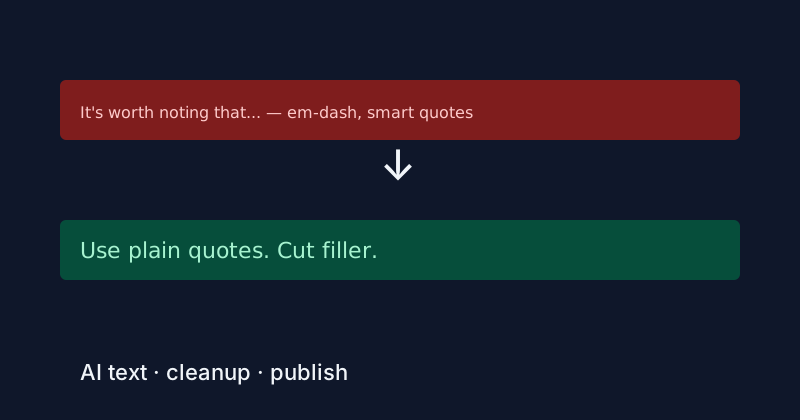
Table of contents
Jump straight to the section you want without scrolling through the whole article.
Why AI drafts often need heavy editing
AI can help create a first draft quickly, but the raw output often feels generic. It may repeat ideas, use awkward transitions, over-explain simple points, or sound detached from the actual site and audience.
That matters even more on a site trying to improve quality signals. Publishing lightly edited AI text can make pages feel thin, templated, or interchangeable, which is exactly the kind of impression you want to avoid.
Start by removing obvious noise
The first pass should focus on removing clutter. Cut repetitive openings, generic claims, and any paragraph that says the same thing as the one above it in slightly different wording.
AI drafts often look longer than they really are because too many sentences add volume without adding value. Cleaning that layer first makes the real content easier to see.
- Remove repeated claims and definitions
- Cut filler introductions that delay the answer
- Delete vague phrases that add no specific meaning
- Collapse overlapping paragraphs into one clearer section
Make the draft sound like your site
A publishable article should reflect the product, audience, and tone of the website it belongs to. That means replacing generic examples with real ones, connecting the article to your own tools, and using terminology that matches the site.
On FreeSEOTools.com, that means making the article practical and task-driven. The final piece should feel connected to the actual workflows users come for, not like a floating essay copied from a generic content farm.
Use editing tools in the right order
A strong cleanup workflow is simple. First remove formatting junk and duplicated material. Then check readability and length. Finally, do a manual review to make sure the voice and examples feel intentional.
That is why text-cleaning and readability tools help best as checkpoints. They support editing, but they do not replace the editorial judgment needed to make the page original and trustworthy.
The goal is not to hide AI, but to improve the content
The strongest outcome is not just making AI text less obvious. It is making the article actually useful. If the final result is specific, clear, and tied to real user needs, then the origin of the first draft matters much less than the quality of the published page.
That is the standard you want for both search and AdSense review. Clean, useful, edited content is stronger than raw volume every time.
Frequently asked questions
Helpful answersIs AI-generated text bad for SEO by itself?
Not automatically. The bigger problem is low-quality output that feels generic, repetitive, or unhelpful. The real issue is quality, not the drafting method alone.
What is the first thing to fix in an AI draft?
Usually repetition and filler. Those are often the fastest signs that the draft is not ready for publication.
Can tools alone make AI text publishable?
No. Tools help with cleanup and readability, but a human review is still needed to make the article accurate, relevant, and tied to the site’s real voice.